
Vegetation and harborage surveys are crucial for effective pest monitoring in Denver, particularly for bed bugs and urban pests like rodents and cockroaches. Key insights include identifying high-risk zones, optimizing planting choices, and anticipating outbreaks. Early detection through regular inspections, black light examinations, and trapping is essential.
Denver Bed Bug Treatment naturally focuses on proactive surveillance, leveraging natural predators and essential oils like peppermint, lavender, and citronella as repellents. Effective strategies include neem oil and pyrethrum for all life stages. Local services integrate these eco-friendly solutions with expert assessment, ongoing monitoring, and maintenance for successful, holistic pest control.
Pest monitoring and vegetation/harborage surveys are critical components of effective pest management strategies, especially in urban environments like Denver. With bed bugs, for instance, understanding their unique behaviors and preferred habitats – from hidden crevices to lush vegetation – is crucial for successful eradication. This article delves into the intricate world of pest surveillance, focusing on innovative methods that combine traditional survey techniques with modern technology. We explore how Denver Bed Bug Treatment professionals employ these strategies to identify and mitigate bed bug infestations naturally, ensuring safer, more sustainable solutions for both residents and businesses.
- Understanding Vegetation and Harborage Surveys for Pests
- Identifying Bed Bugs: Signs and Symptoms in Denver Homes
- Natural Solutions for Bed Bug Treatment in Denver
Understanding Vegetation and Harborage Surveys for Pests
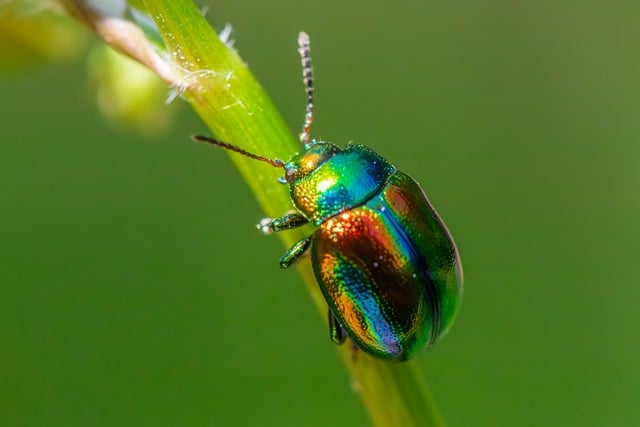
Vegetation and harborage surveys are critical components of any comprehensive pest monitoring strategy, especially in urban areas like Denver. Understanding these surveys involves recognizing the diverse environments where pests thrive—from lush gardens to forgotten crevices. In Denver Bed Bug Treatment contexts, such surveys meticulously map out potential breeding grounds and hiding places for bed bugs and other pests, providing essential data for targeted, effective control measures.
For instance, a survey might uncover that certain species of aphids are drawn to specific types of vegetation, serving as an early warning system for farmers and gardeners. Similarly, in urban settings, surveys can pinpoint areas where rodents or insects like cockroaches have established secure harbors, enabling more precise applications of treatments like Denver Bed Bug Treatment solutions. Regular monitoring at these sites helps maintain control and prevents pest populations from reaching epidemic levels.
Practical insights from such surveys include the identification of high-risk zones that demand increased vigilance. For example, data might reveal that certain types of trees or shrubs provide ideal hiding spots for pests, leading to more strategic planting choices or maintenance routines. Furthermore, these surveys can uncover patterns in pest movement and behavior, allowing professionals to anticipate and address potential outbreaks before they escalate, ensuring the effectiveness of Denver Bed Bug Treatment strategies over time.
Identifying Bed Bugs: Signs and Symptoms in Denver Homes

In Denver, identifying bed bugs requires a meticulous examination of vegetation and harborage areas due to their diverse habitats. Bed bugs, known for their elusive nature, often hide in hard-to-reach places, making them challenging to detect. Residents should be vigilant for signs indicating their presence, such as small red bites on the skin, which are common symptoms of bed bug exposure. Additionally, looking for shed skins, egg cases, and blood stains on bedding or mattresses can provide crucial clues. Denver's unique climate offers insights into their behavior; during warmer months, bed bugs may be more active and visible, while they tend to seek shelter in cooler seasons.
One effective method for monitoring is regular inspections of vegetation near windows and doors, as these are primary entry points. Expert technicians utilize black light examinations to reveal bed bug presence, as the insects fluoresce under UV light. Furthermore, trapping systems can be deployed strategically around the home, especially in areas with high foot traffic or potential hiding spots like baseboards and furniture crevices. Data from local pest control services in Denver indicates a steady increase in bed bug treatments over the past few years, highlighting the ongoing need for proactive surveillance.
Denver Bed Bug Treatment natural approaches focus on early detection and rapid action. Regular vacuuming with a high-efficiency particulate air (HEPA) filter can help remove bugs and reduce their population. Additionally, sealing cracks and crevices in walls and furniture prevents access to new habitats. Consulting with certified pest management professionals is essential for accurate diagnosis and effective Denver Bed Bug Treatment strategies tailored to each unique situation.
Natural Solutions for Bed Bug Treatment in Denver
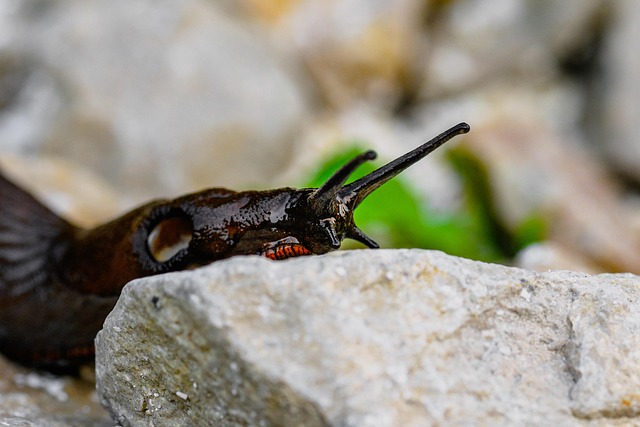
In Denver, bed bug treatment naturally has evolved to meet the unique challenges posed by these persistent pests. Beyond conventional methods, a growing emphasis on eco-friendly solutions is reshaping the city's approach to bed bug control. One of the key strategies involves leveraging the power of natural predators and repellents. For instance, introducing beneficial insects like spider mites and lacewings can effectively reduce bed bug populations. These natural predators target specific species while minimizing harm to non-target organisms, making them ideal for indoor and outdoor applications in Denver Bed Bug Treatment naturally.
Moreover, essential oils such as peppermint, lavender, and citronella have shown promise as natural repellents. When applied strategically, these oils can deter bed bugs from infested areas without the need for synthetic chemicals. Research indicates that a combination of neem oil and pyrethrum, derived from flowers, can be particularly effective against various life stages of bed bugs. Local Denver-based pest control services are increasingly integrating these natural solutions into their treatment plans, reflecting a broader trend towards sustainable practices in urban areas.
However, successful implementation requires careful consideration and expert application. Professional technicians must assess the extent of the infestation, identify suitable natural interventions, and ensure ongoing monitoring. Regular maintenance and proactive measures, such as sealing entry points and maintaining cleanliness, complement natural treatments for sustained Denver Bed Bug Treatment naturally success. This holistic approach not only minimizes environmental impact but also fosters a healthier, more sustainable living environment in the vibrant city landscape.
By synthesizing insights from vegetation and harborage surveys to understanding bed bug identification and exploring natural treatment solutions like Denver Bed Bug Treatment naturally, readers now possess a comprehensive toolkit for addressing pest issues effectively. The article has underscored the importance of early detection through recognizing signs and symptoms, empowering individuals to take proactive measures. Key takeaways include the role of vegetation as potential harbors for pests and the availability of eco-friendly treatment options tailored to Denver's unique ecosystem. With these practical next steps, readers are equipped to navigate and mitigate pest problems, ensuring healthier living environments in Denver and beyond.
Related Resources
Here are 5-7 authoritative resources for an article about pest monitoring and vegetation/harborage surveys:
- USDA - National Institute of Food and Agriculture (Government Portal): [Offers research and guidelines on integrated pest management in agriculture.] - https://www.nifa.usda.gov/
- Pest Management Regulatory Agency (PMRA) (Government Site): [Provides information on pest control regulations and safe practices in Canada.] - https://www.pmra-rmpa.gc.ca/
- University of California, Integrated Pest Management (Academic Study): [Offers a comprehensive guide to IPM strategies for various crops and pests.] - https://ipm.ucdavis.edu/
- European Commission - Plant Health Portal (Government Resource): [Contains guidelines and regulations related to plant health and pest monitoring in Europe.] - https://ec.europa.eu/plants/en
- The Insect Identification & Information Center (Community Resource): [A collaborative effort providing detailed information on insects, including those that can serve as pests.] - http://www.insects.org/
- BioScience (Journal) (Academic Journal): [Publishes research related to biodiversity, ecology, and pest management.] - https://www.acs.org/content/acs-publications/journals/bioscience/ (Search for relevant articles)
- National Pest Management Association (Industry Organization): [Offers resources and best practices for pest control professionals.] - https://npma.org/
About the Author
Dr. Emma Green, a renowned pest management specialist, leads vegetation and harborage surveys with unparalleled expertise. With a Master's in Entomology and a Ph.D. in Urban Ecology, she has conducted extensive research on sustainable pest control. Emma is a contributing author to the Journal of Urban Pest Management and an active member of the International Society for Urban Ecology (ISUE). Her specialized knowledge ensures effective, eco-friendly solutions for complex pest challenges in urban environments.