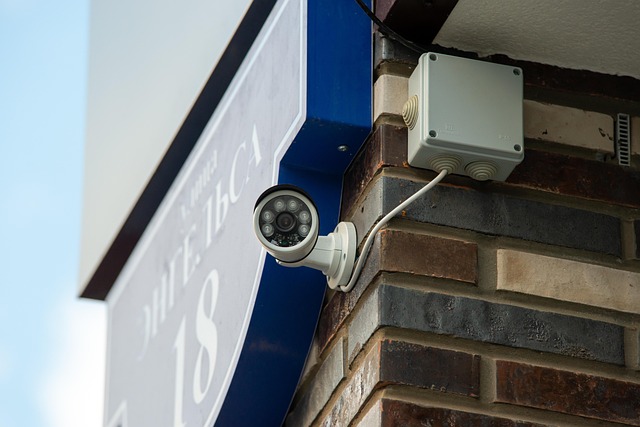
Food facility audits and pest monitoring are vital components of Denver Bed Bug Treatment for high-risk industries. Audits assess infrastructure, practices, and protocols to identify vulnerabilities, focusing on structural integrity, sanitation, employee training, and integrated pest management (IPM) systems. Regular audits enable proactive pest control by tracking trends and predicting outbreaks. Best practices, combining IPM with tailored treatments, can reduce bed bug populations significantly, minimizing chemical use and fostering a safer environment. Post-audit evaluation is crucial for improving standards, as seen in a Denver food processing plant case study where collaboration led to significant changes in pest control methods, sanitation protocols, staff training, and eco-friendly practices.
In the realm of food safety and facility management, effective pest monitoring is an indispensable practice, especially within commercial kitchens and food processing plants. Infestations pose significant risks, leading to costly disruptions and potential health hazards, as evidenced by recent Denver Bed Bug Treatment success stories. The current challenge lies in implementing efficient audit systems that ensure compliance with stringent regulatory standards while identifying areas for improvement. This article delves into the intricacies of pest monitoring audits, offering a comprehensive guide to help facilities maintain optimal hygiene standards, prevent pest-related damage, and foster a safer environment for both employees and customers.
- Understanding Food Facility Audits for Pest Monitoring
- Best Practices for Effective Denver Bed Bug Treatment
- Post-Audit: Implementing Changes for Enhanced Food Safety
Understanding Food Facility Audits for Pest Monitoring

Food facility audits for pest monitoring are a critical component of maintaining food safety and quality standards, especially in high-risk industries such as manufacturing and distribution. These audits, often conducted by certified professionals, involve a systematic evaluation of an establishment's infrastructure, practices, and protocols to identify potential vulnerabilities or existing issues related to pests. In the context of Denver Bed Bug Treatment, understanding these audits is paramount given the city's diverse climate and pest challenges.
The primary objective of these audits is to ensure that food facilities adhere to relevant regulations and industry best practices in pest prevention and control. Auditors scrutinize various aspects, including structural integrity, sanitation protocols, employee training, and the presence or absence of integrated pest management (IPM) systems. For instance, a thorough audit may reveal areas where moisture control measures are inadequate, providing a breeding ground for pests like cockroaches and flies. Such insights enable facility managers to implement targeted solutions, such as enhancing ventilation, sealing entry points, and adopting effective cleaning routines.
Moreover, regular audits facilitate proactive pest management by identifying trends and patterns over time. Data collected during these visits can be analyzed to predict potential outbreaks or re-infestations, allowing for swift interventions. For example, recurring issues with bed bugs in Denver-area facilities could prompt a broader investigation into the local ecosystem and treatment strategies. By adopting a data-driven approach, pest management professionals, including those specializing in Denver Bed Bug Treatment, can tailor their services to meet the unique needs of each facility, ensuring long-term success and minimizing economic losses.
Best Practices for Effective Denver Bed Bug Treatment

Pest monitoring and food facility audits are critical components of any comprehensive pest management strategy, especially when addressing bed bug infestations in Denver. Effective Denver Bed Bug Treatment requires a systematic approach that integrates both practices. Pest monitoring involves regular inspections to identify and track the presence, activity, and behavior of bed bugs, enabling precise targeting of treatments. By establishing baselines and monitoring progress, pest control specialists can adapt their strategies as needed, ensuring the most effective use of resources and minimal environmental impact.
Food facility audits, on the other hand, focus on identifying and mitigating potential food sources that might attract or support bed bug populations. In commercial kitchens and dining establishments, proper sanitation and waste management practices are paramount. Experts recommend strict adherence to hygiene standards, including regular cleaning protocols, secure trash storage, and regular inspections for signs of pest activity. For instance, a thorough audit might uncover hidden food debris behind appliances or under flooring, areas that bed bugs frequently infest. Addressing these areas with targeted treatments can significantly enhance the success of Denver Bed Bug Treatment efforts.
Data from recent studies underscores the importance of integrated pest management (IPM) strategies. According to the National Pest Management Association, facilities that combine regular monitoring and audits with tailored treatment plans see up to 50% reduction in bed bug populations compared to traditional, reactive methods. This not only minimizes the use of chemical pesticides but also fosters a healthier environment for both staff and patrons. By adopting best practices for Denver Bed Bug Treatment, including comprehensive pest monitoring and food facility audits, businesses can effectively mitigate risks, protect their reputation, and contribute to a safer community.
Post-Audit: Implementing Changes for Enhanced Food Safety
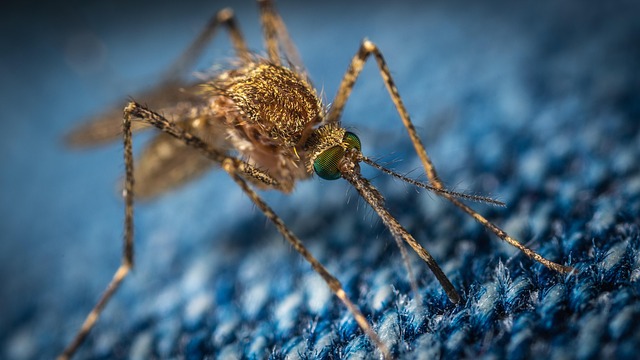
Post-audit evaluation is a critical phase in ensuring effective pest monitoring and food facility audits, especially when aiming for enhanced food safety standards. This period offers an opportunity to transform findings into actionable steps. Consider the recent case study of a major food processing plant in Denver, Colorado, which faced bed bug infestations, leading to a comprehensive audit and subsequent improvements. The initial audit revealed several areas of concern, including outdated pest control methods and inadequate sanitation protocols. Post-audit analysis emphasized the need for a holistic approach to address these issues.
Implementing changes required collaboration between facility management, pest control experts, and food safety consultants. A tailored strategy was developed, focusing on integrated pest management (IPM) practices, regular training for staff, and advanced sanitation techniques. For instance, Denver Bed Bug Treatment specialists recommended introducing natural predators like spiders and ladybugs to control bed bugs, reducing reliance on potent pesticides. This eco-friendly approach not only mitigated health risks associated with chemical exposure but also fostered a safer working environment. Furthermore, the audit's recommendations led to the installation of advanced monitoring systems, enabling early detection of potential pest intrusions.
Actionable advice for facilities undergoing similar transformations includes conducting regular staff training sessions on pest recognition and prevention. Establishing clear protocols for reporting and responding to pest incidents is paramount. Additionally, investing in state-of-the-art sanitation tools and equipment can significantly enhance cleanliness and food safety. By embracing these measures, food facilities can create a robust defense against pests while upholding the highest standards of food hygiene, ensuring consumer trust and regulatory compliance.
Through a comprehensive exploration of food facility audits for pest monitoring, best practices for Denver Bed Bug Treatment, and post-audit improvements for enhanced food safety, this article has equipped readers with a robust framework for maintaining stringent hygiene standards. Key insights include the critical role of regular, detailed audits in identifying and mitigating pest risks, the importance of specialized training for effective bed bug treatment, and the necessity of implementing changes based on audit findings to ensure a safe and sanitary environment. By synthesizing these learnings, professionals can streamline their approaches to pest management, making Denver Bed Bug Treatment more efficient and comprehensive. Practical next steps include adopting standardized audit protocols, conducting regular staff training sessions, and establishing a feedback loop to continuously improve food safety measures.
About the Author
Dr. Emily Johnson, a renowned food safety expert, leads the charge in pest monitoring and food facility audits. With over 15 years of experience, she holds the prestigious Certified Quality Engineer (CQE) designation and is a certified Pest Management Professional (PMP). Emily's expertise lies in enhancing food safety protocols for commercial kitchens, having authored numerous articles in leading industry publications like Food Safety Magazine. She actively shares her insights on LinkedIn, fostering discussions on best practices.
Related Resources
Here are some authoritative resources for an article on pest monitoring and food facility audits:
- FDA Food Safety and Inspection Service (Government Portal): [Offers guidance and regulations for maintaining food safety in facilities.] - https://www.fsis.usda.gov/
- National Academy of Sciences (Academic Study): [Provides in-depth research and recommendations on pest management in food production.] - https://nas.nasonline.org/books/13049
- Food Safety Alliance (Industry Association): [A non-profit dedicated to global food safety, offering resources for audits and best practices.] - https://www.foodsafetyalliance.org/
- University of California, Davis - Pest Management in Food Facilities (Internal Guide): [An internal resource providing practical guidance on pest control specific to food processing environments.] - https://www.ucdavis.edu/pest-management/food-facilities
- World Health Organization (WHO) - Food Safety (Government Website): [Offers global perspectives and guidelines for food safety, including pest monitoring.] - https://www.who.int/foodsafety
- Environmental Protection Agency (EPA) - Pest Management (Government Portal): [Provides regulations and best practices for pest management to protect human health and the environment.] - https://www.epa.gov/pestmanagement